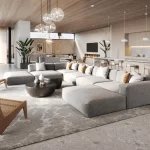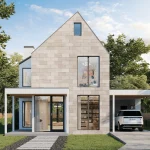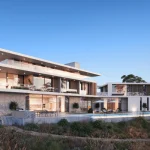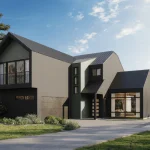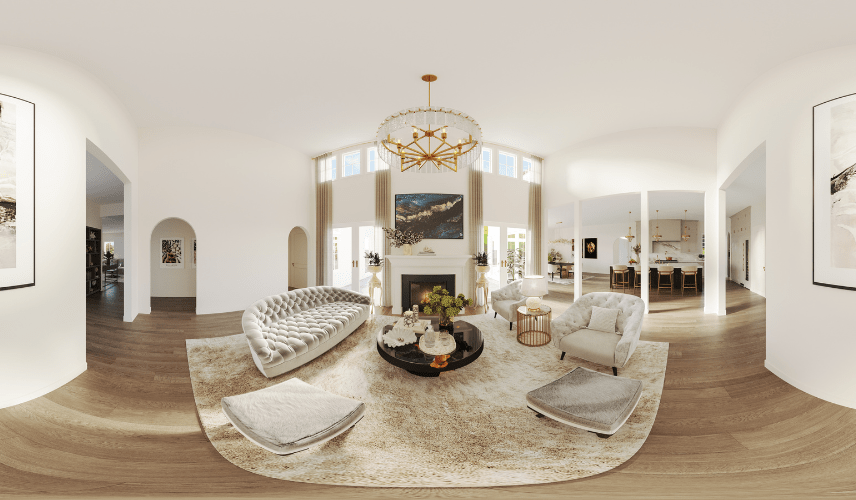
The real estate industry is evolving rapidly, driven by digital transformation and changing buyer behavior. Today’s buyers expect more than static images or basic floor plans, they want immersive, informative experiences that allow them to explore properties on their own terms. This is where property virtual tours have become a defining tool in modern real estate marketing.
Far from being a visual trend, property virtual tours represent a strategic investment. They help developers, agents, and marketers present spaces clearly, communicate value more effectively, and reach a wider audience without geographical limitations. However, creating a high-impact virtual tour requires thoughtful planning. Understanding the features that truly matter and the real costs behind them is essential to achieving both visual excellence and commercial efficiency.
What Makes Property Virtual Tours Truly Effective?
Interactive Information Layers
High-quality property virtual tours go beyond simple navigation by integrating interactive information layers. These elements transform a passive viewing experience into an engaging and informative journey.
In interior environments, users can click on furniture, finishes, or architectural elements to view specifications, materials, or design intent. For exterior and location-based tours, information layers can highlight nearby amenities such as schools, green spaces, transport links, and commercial hubs helping viewers evaluate the property’s lifestyle value, not just its appearance.
Flexible Viewing Modes for Different Audiences
Not all users interact with 3D environments in the same way. Auto-rotation provides a guided experience that draws attention to key design features without requiring manual navigation, making it ideal for first-time viewers and mobile users.
Zoom functionality allows closer inspection of details or a broader understanding of layout, while panoramic and stereographic views enhance immersion. Rectilinear viewing modes, on the other hand, maintain straight architectural lines and accurate proportions, ensuring the space is represented truthfully and professionally.
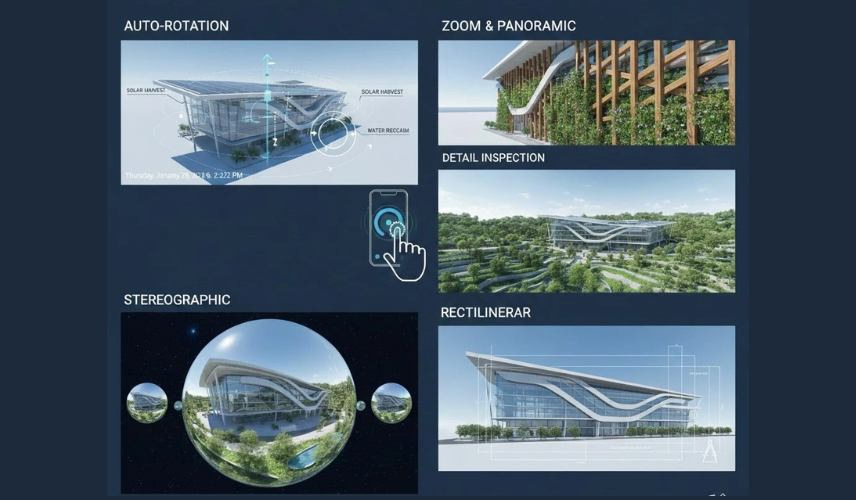
Auto-rotation guides attention toward key design features, making property virtual tours accessible for first-time and mobile users.
VR-Ready Property Virtual Tours
When developed using Unreal Engine, property virtual tours can be designed for full virtual reality compatibility. VR elevates immersion by allowing users to experience spaces at a true 1:1 scale, creating a powerful sense of presence that static visuals cannot replicate.
This level of immersion is particularly impactful for large-scale developments, high-end residential projects, and commercial properties where spatial experience directly influences decision-making. Buyers and investors can walk through spaces, understand proportions intuitively, and build emotional connections long before construction is completed.
Design Customization Within the Tour
One of the strongest advantages of property virtual tours is adaptability. Instead of presenting a single fixed design, virtual tours can showcase multiple design scenarios within the same space.
Viewers may explore alternative layouts, furniture configurations, material finishes, or color palettes, helping them visualize how the property can be tailored to their preferences. This flexibility is particularly valuable for off-plan developments, where buyers must make decisions before physical construction is complete.
This feature is particularly valuable for off-plan developments, where buyers want to visualize potential outcomes before construction is complete.
| Must read: More And More People Are Buying Can Confidently Evaluate Properties Online
Real-World Context Integration
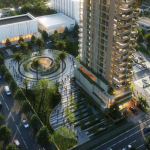
Advanced property virtual tours can integrate architectural models directly into real-world environments using 3D mapping technology. This approach places a detailed 3D building model within accurate site imagery, allowing viewers to understand how the project fits into its surroundings.
This integration provides clarity on scale, orientation, urban context, and neighboring structures factors that are often difficult to communicate through traditional renderings alone. For mixed-use developments, urban projects, and master-planned communities, real-world context integration adds a powerful layer of realism and credibility.
A 3D model integrated into its real-world surroundings provides a clear understanding of scale, context, and urban environment
What Influences the Cost of Property Virtual Tours?
While property virtual tours offer significant marketing value, their cost varies depending on several technical and creative factors. Understanding these variables helps clients plan budgets more effectively and prioritize features that deliver the greatest return.
Number of Viewpoints
Unlike standard CGI images, property virtual tours require fully modeled spaces that support 360-degree navigation. Each viewpoint functions as a complete panoramic scene, meaning additional rooms or areas directly increase production time and cost. Strategic placement of viewpoints in key spaces can help optimize budgets for larger properties.
Custom 3D Assets
Many objects used in property virtual tours can be sourced from existing asset libraries, which helps streamline production. However, when projects require bespoke furniture, custom fixtures, or branded design elements, these assets must be modeled from scratch.
Custom 3D assets significantly enhance realism and brand identity, especially for luxury developments or commercial projects. At the same time, they require additional time and expertise, making them a key cost factor in virtual tour production.
Design Complexity
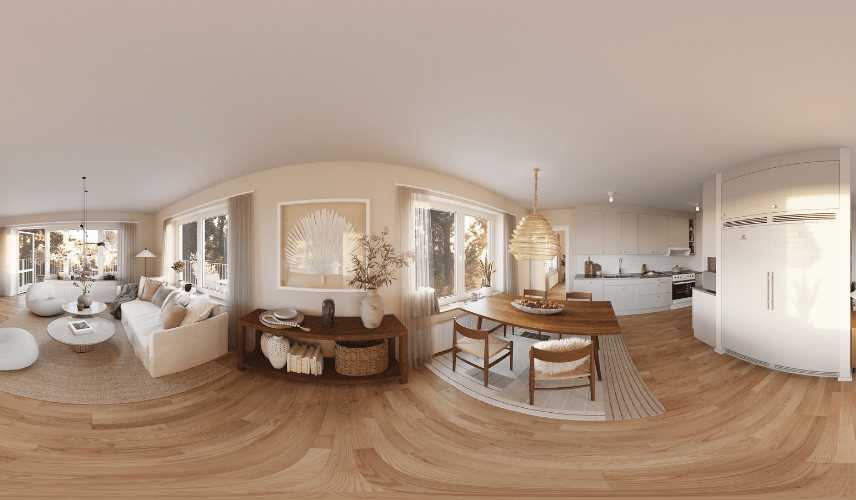
Design complexity plays a major role in determining the cost of property virtual tours. Highly detailed interiors with layered materials, intricate lighting schemes, reflective surfaces, and decorative elements require more time for modeling, texturing, and rendering optimization.
Minimalist designs, by contrast, are generally more cost-efficient and often communicate spatial clarity more effectively. Selecting essential design elements and avoiding unnecessary clutter not only helps manage budgets but also improves visual readability and user experience.
Design complexity plays a key role in the cost of property virtual tours
Project Timeline and Revisions
Tight deadlines typically require expanded resources and extended working hours, which increases overall cost. Planning ahead is the most effective way to avoid rush fees.
Additionally, while most projects include a limited number of revision rounds, excessive changes especially at late stages can significantly impact the final budget. Clear direction from the start ensures a smoother, more economical production process.
Property Virtual Tours are not just a visual enhancement, they are a strategic tool that influences buyer perception and decision-making. When developed with the right features and a clear production plan, they can significantly improve engagement, shorten sales cycles, and elevate the perceived value of a property.
At MR Rendering, we deliver high-quality property virtual tours property virtual tours through a streamlined workflow built on clear communication and efficient feedback cycles. Our team ensures visual accuracy and consistent quality at every stage, while a transparent revision process allows projects to move quickly without compromising results. By outsourcing to our specialized 3D production team, clients can reduce visualization costs by up to 60%, achieving impactful, market-ready virtual tours that present properties with clarity, confidence, and commercial effectiveness.

Content Writer, Copy Writer
Thao Nguyen is a content writer specializing in 3D rendering, with a strong focus on translating complex visual and technical concepts into clear, engaging content. Through carefully crafted narratives, Thao highlights the creative value and practical impact of 3D visualization, helping audiences better understand and connect with the work behind each image.