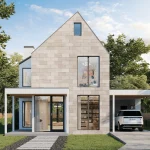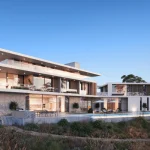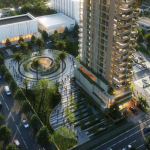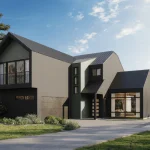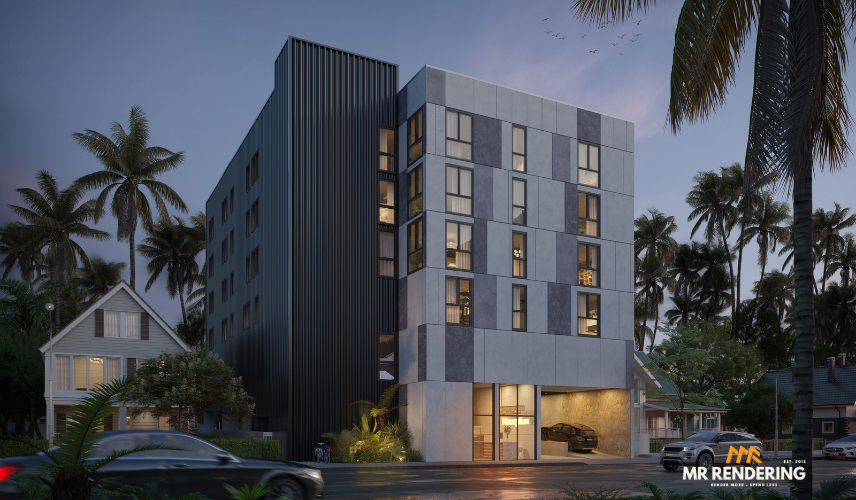
Commercial architectural projects such as offices, shopping malls, restaurants, and hotels always require compelling presentations to persuade investors. This is where commercial 3D rendering truly proves its value transforming design concepts into clear, vivid, and highly visual imagery. When executed correctly, commercial 3D rendering becomes a powerful advantage in presentation, decision-making, and investment attraction. So how can you get the most out of commercial 3D rendering? In this article, let’s explore the details together with MR Rendering.
Why Is Commercial 3D Rendering So Important?
In commercial architecture, first impressions often play a decisive role in a project’s success. A shopping mall, office building, or mixed-use complex must not only meet functional requirements but also create emotional impact and a strong visual identity. Commercial 3D rendering makes this possible in a highly effective way.
First, 3D imagery offers superior visualization. Instead of relying on imagination from flat 2D drawings, clients can see a fully realized space with lighting, materials, colors and layout. This helps them better understand scale, proportions, and the real-life experience of the project, enabling more confident decision-making.
In addition, commercial 3D rendering plays a crucial role in communication. Commercial projects are often complex, involving multiple components and stakeholders. Conveying ideas solely through technical drawings can easily lead to misunderstandings. 3D visuals ensure that all parties share a clear understanding of the project, reducing errors during design and construction while shortening communication time.
Finally, in a highly competitive market, high-quality and realistic 3D visuals provide a clear competitive edge. An impressive set of commercial 3D renderings can capture the attention of investors, tenants, and potential buyers, helping a project stand out among similar developments.
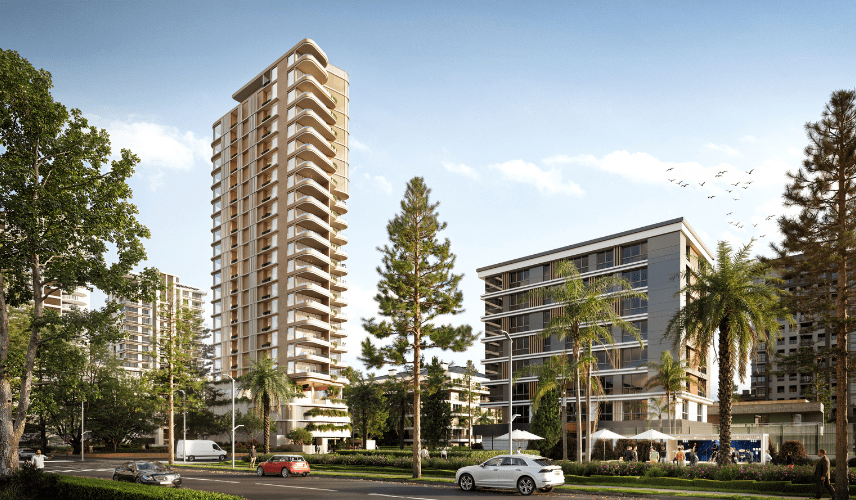
Commercial 3D rendering visualizing the overall concept of a commercial project
4 Compelling Benefits of Commercial 3D Rendering
Enhanced Client Engagement
Today’s clients expect immersive experiences and have higher demands for visual presentation. Commercial 3D rendering meets these expectations by delivering lifelike imagery, animations, or even virtual tours. Clients can explore the space, understand layouts, and visualize circulation clearly. This level of interaction not only improves understanding but also increases interest and emotional connection.
Reduced Time and Cost Overruns
One of the biggest risks in commercial projects is design changes during construction, which often lead to delays and additional costs. With commercial 3D rendering, design options can be reviewed, compared, and refined early in the process, minimizing costly revisions later.
Superior Marketing Opportunities
High-quality commercial 3D renderings are valuable marketing assets. They can be used across websites, brochures, billboards, sales presentations, and digital marketing campaigns. A powerful image can tell a project’s story far more quickly and effectively than lengthy text descriptions.
Comprehensive and Detailed Project Presentation
Unlike traditional drawings, 3D rendering allows every detail to be showcased from natural and artificial lighting to materials, colors, furniture, and surrounding landscapes. This level of detail helps clients clearly envision how the space will function and feel in real use.
High-quality 3D visualization bringing commercial architecture to life
Key Applications of Commercial 3D Rendering
Commercial 3D Rendering for Retail Spaces
In retail, visual experience is critical to attracting customers. Commercial 3D rendering enables investors and brands to visualize the entire store before construction from the façade and product layout to customer circulation.
Through 3D imagery, design concepts can be tested and refined quickly to ensure brand consistency while optimizing the shopping experience. This is especially important for retail chains that require a unified visual identity across multiple locations.
Commercial 3D Rendering for Office Buildings
3D visuals clearly illustrate spatial scale, workplace layouts, reception areas, meeting rooms, and shared amenities.
These renderings are highly effective for marketing, pre-leasing, or presentations to potential tenants, helping them envision their future work environment and make decisions faster.
Commercial 3D Rendering for Residential Commercial Developments
For commercial residential projects such as mixed-use developments, commercial 3D rendering connects architecture, landscape, and amenities into a cohesive whole. It illustrates relationships between building masses, shared spaces, and living areas.
With comprehensive visual simulations, investors and buyers can evaluate the overall value of the project rather than viewing individual components in isolation.
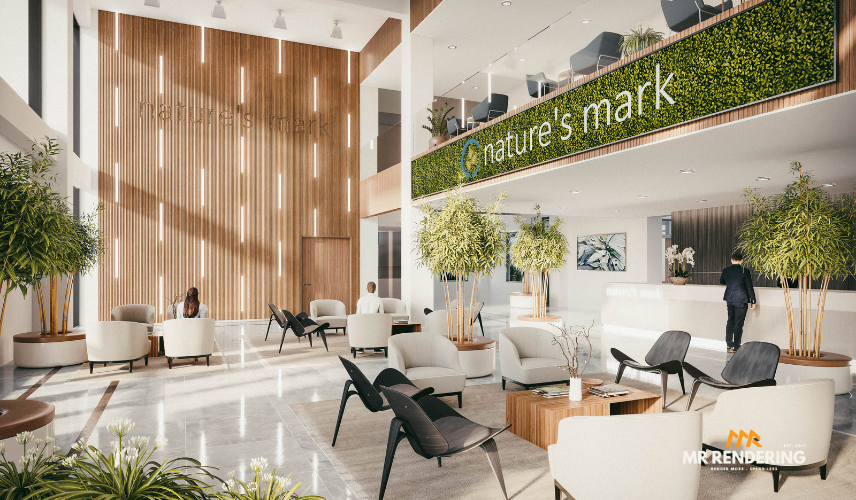
Interior commercial 3D rendering showing layout, lighting, and materials
Commercial 3D Rendering in Hospitality and Tourism
Commercial 3D rendering brings hotels, resorts, and leisure spaces to life with carefully crafted lighting, materials, and atmosphere.
These visuals not only support the design process but also serve as powerful marketing tools, allowing potential guests to experience the space before booking especially effective for early-stage promotions and sales campaigns.
Commercial 3D Rendering for Urban Planning and Development
3D visuals help simulate entire areas, including infrastructure, transportation, and relationships between buildings.
This holistic visualization allows stakeholders from investors and authorities to the community to assess spatial impact and make more informed decisions throughout the development process.
Key Considerations to Optimize Commercial 3D Rendering
Collaborate with a Professional Commercial 3D Rendering Team
The quality of commercial 3D rendering depends heavily on the expertise and experience of the team behind it. A professional studio not only delivers visually appealing images but also understands design logic, functionality, and commercial objectives.
Working with experienced commercial architecture specialists helps investors and architects communicate ideas clearly, minimize misinterpretations, and ensure the final visuals accurately reflect the project’s vision.
Optimize Lighting for Realism and Emotional Impact
Lighting is a critical factor in realism and emotional appeal. Accurate simulation of natural and artificial lighting brings depth and authenticity to commercial 3D renderings.
Well-designed lighting highlights materials, colors, and architectural forms while guiding the viewer’s focus to key areas especially important for retail, office, and hospitality projects.
Accurately Represent Materials and Details
In commercial projects, materials and finishes directly reflect quality and prestige. Commercial 3D rendering must accurately depict textures, surfaces, colors, and how materials interact with light.
Realistic material representation helps clients better visualize the space and supports informed decision-making, especially when comparing multiple design options.
Optimize Commercial 3D Renderings for Multiple Platforms
Today, commercial 3D renderings are used not only for design documentation but also for marketing and communication. Images should be optimized for various platforms, including websites, social media, print materials, and sales presentations.
Each platform has specific requirements for aspect ratios, resolution, and display. Preparing flexible visuals from the outset saves time and ensures consistent visual messaging.
Finding the Right Commercial 3D Rendering Outsourcing Partner
For many businesses and developers, outsourcing commercial 3D rendering is a cost-effective way to access high-level expertise. However, choosing the right partner requires evaluating real-world experience, portfolio quality, and clear communication.
A well-planned outsourcing strategy ensures high-quality visuals, on-time delivery, budget efficiency, and reduced pressure on internal teams.
Conclusion
Commercial 3D rendering continues to play a central role in commercial architecture and real estate. As technology advances, 3D visuals are becoming increasingly realistic, flexible, and immersive strongly supporting design, marketing, and business objectives. In the future, commercial 3D rendering will go beyond static images, expanding into animations, walkthroughs, and interactive experiences that help projects engage audiences more comprehensively.
If you’re looking for a partner who understands architecture and can transform commercial ideas into persuasive visuals, MR Rendering is ready to support you with high-quality commercial 3D rendering solutions at competitive prices tailored to your design and business goals.
Explore our services here.

Content Writer, Copy Writer
Thao Nguyen is a content writer specializing in 3D rendering, with a strong focus on translating complex visual and technical concepts into clear, engaging content. Through carefully crafted narratives, Thao highlights the creative value and practical impact of 3D visualization, helping audiences better understand and connect with the work behind each image.