In an increasingly digital world, 3D modeling has become a fundamental part of how ideas are designed, tested, and brought to life. What was once considered a highly specialized process is now widely used across industries, from architecture and engineering to healthcare and entertainment.
By transforming concepts into detailed three-dimensional representations, 3D modeling allows professionals to visualize, refine, and communicate their ideas more effectively. It not only improves accuracy but also enhances collaboration and reduces costly errors throughout the project lifecycle.
What Is 3D Modeling?
At its core, 3D modeling is the process of creating a digital representation of an object or environment in three dimensions. These models can be used for visualization, simulation, and analysis, depending on the project’s requirements.
Unlike traditional 2D drawings, 3D models provide depth, scale, and perspective, making it easier to understand how a design will look and function in reality. This level of detail helps professionals make more informed decisions early in the process.
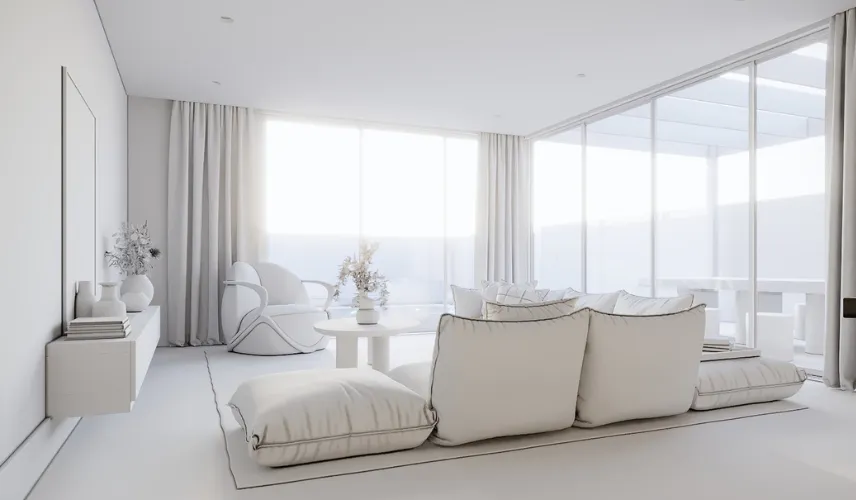
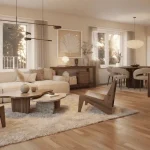
Clean and minimal interior created through high-quality 3D modeling
The Expanding Role of 3D Modeling Across Industries
One of the biggest strengths of 3D architectural modeling is its flexibility. It is now used in a wide range of industries, each benefiting from its ability to improve visualization and streamline workflows.
Construction and Architecture
In architecture and construction, 3D modeling enables teams to visualize structures before they are built. Designers can study layouts, materials, and lighting conditions, ensuring that every detail is carefully considered. This leads to better planning and fewer unexpected issues during construction.
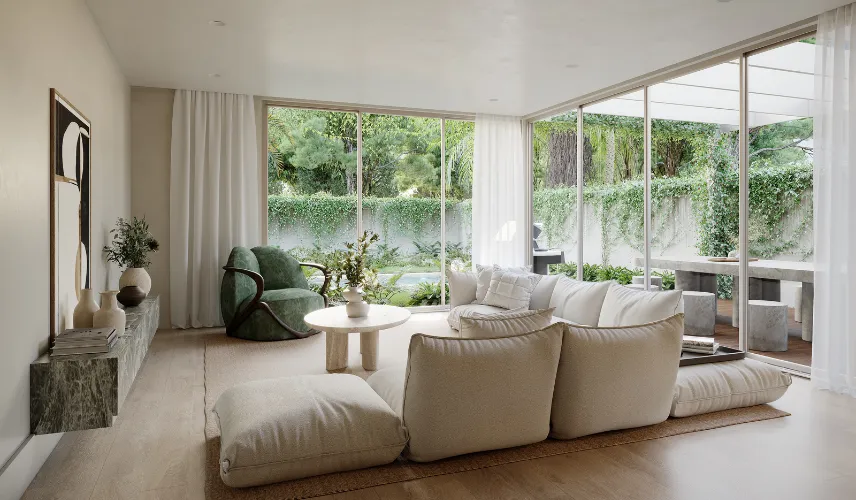
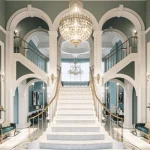
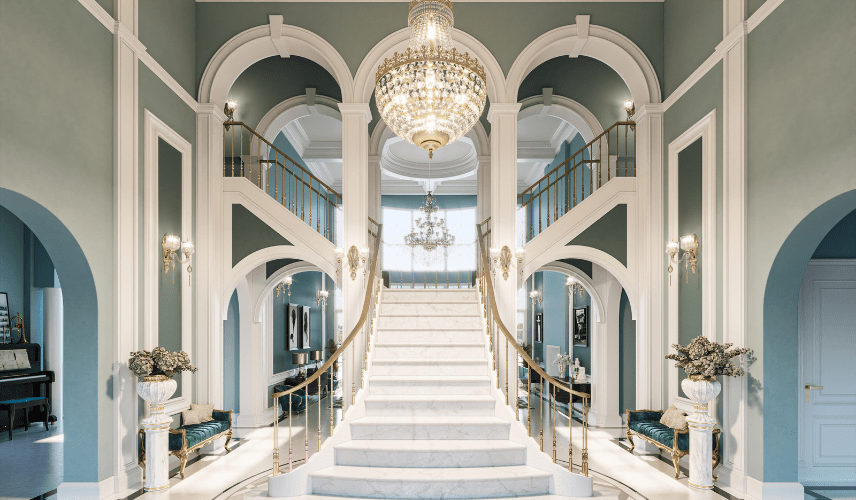
Realistic interior visualization powered by detailed 3D modeling
Engineering and Product Development
Engineers rely on 3D modeling services to design and test products efficiently. Digital prototypes allow for performance simulations, helping identify potential flaws and optimize designs before manufacturing begins. This reduces both development time and costs.
Entertainment and Media
In the entertainment sector, 3D modeling is essential for creating immersive experiences. Films, animations, and video games use highly detailed models to produce realistic characters and environments that captivate audiences.
Healthcare Applications
Healthcare professionals use 3D modeling to create accurate representations of anatomical structures. These models assist in surgical planning, medical research, and education, ultimately improving patient outcomes.
Retail and E-commerce
Retailers are increasingly adopting 3D modeling to enhance the online shopping experience. Interactive product visualizations allow customers to explore items in detail, making it easier to make informed purchasing decisions.
Archaeology and Preservation
Even in archaeology, 3D modeling plays a role in preserving historical artifacts and sites. Digital replicas ensure that cultural heritage can be studied and shared without risking damage to original objects.
7 Benefits of 3D Modeling
Improved Visualization and Design Accuracy
One of the most important benefits of 3D model is its ability to provide highly accurate visual representations. Designers can see exactly how a project will look before it is created, allowing them to refine details and make improvements early on.
This level of precision reduces guesswork and ensures that the final result aligns closely with the original vision.
Early Detection of Errors
Mistakes in design can be costly, especially when discovered late in the process. 3D model helps identify potential issues at an early stage, when they are easier and less expensive to fix.
By analyzing the model in a virtual environment, teams can detect design conflicts, structural problems, or inefficiencies before production or construction begins.
Faster Project Development
Speed is a critical factor in modern industries, and 3D modeling significantly accelerates project timelines. Designers can quickly create, modify, and test models without the need for physical prototypes.
This ability to iterate rapidly allows teams to move from concept to completion more efficiently, giving businesses a competitive edge.
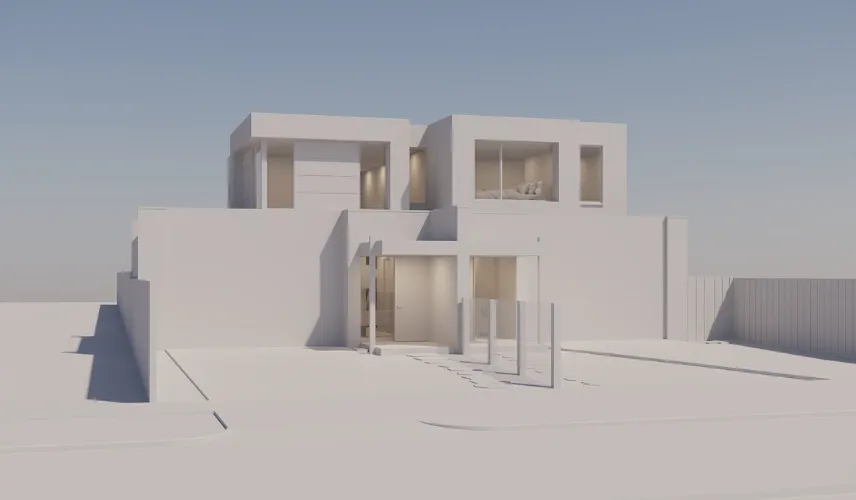
Early-stage architectural design using conceptual 3D modeling
Cost Efficiency and Resource Optimization
Another major advantage of 3D modeling is cost reduction. By minimizing the need for physical prototypes and reducing errors, companies can save both time and money. Additionally, accurate models help optimize material usage and resource allocation, ensuring that projects stay within budget.
Better Collaboration and Communication
Projects often involve multiple stakeholders, and clear communication is essential for success. 3D modeling provides a shared visual reference that everyone can understand, regardless of their technical background. This improves collaboration between teams, reduces misunderstandings, and ensures that all parties are aligned with the project goals.
Realistic Simulations and Analysis
With 3D modeling, it is possible to simulate real-world conditions and test how a design will perform. For example, architects can analyze lighting and environmental factors, while engineers can evaluate durability and functionality.
These simulations provide valuable insights that lead to better decision-making and more effective designs.
Enhanced Client Engagement
Communicating complex ideas to clients can be challenging, especially when using traditional drawings. 3D modeling makes this process much easier by providing realistic and engaging visualizations.
Clients can clearly see what the final result will look like, which helps build trust and ensures that expectations are met.
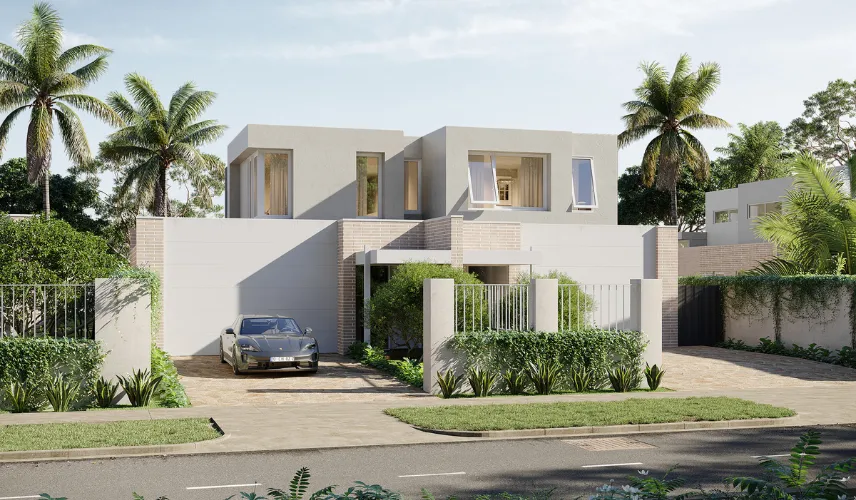
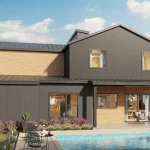
Exterior visualization created with high-end 3D modeling techniques
How MR Rendering Helps You Get More from 3D Modeling
If you’re looking to take full advantage of 3D modeling, MR Rendering offers high-quality, flexible solutions tailored to your needs.
- 3D architectural modeling for both exterior and interior projects, ensuring accurate proportions and detailed representation of key elements.
- 3D product modeling services help businesses showcase products clearly in catalogs, marketing materials, or animations, making even complex features easy to understand.
- 3D furniture modeling is also one of our core services, designed for interior and furniture brands. We create highly detailed models, whether as standalone pieces or seamlessly integrated into realistic environments.
Project timelines typically range from 3 to 10 days depending on complexity, with faster delivery available when needed. Our team of experienced 3D artists is carefully matched to each project to ensure both technical precision and visual quality.
From the start, we gather all necessary inputs and build a clear workflow with defined milestones. A dedicated project manager keeps you updated throughout the process, while our art director ensures every detail meets high standards.
The result is a reliable, high-quality 3D modeling solution delivered on time and at a competitive cost.

Content Writer, Copy Writer
Thao Nguyen is a content writer specializing in 3D rendering, with a strong focus on translating complex visual and technical concepts into clear, engaging content. Through carefully crafted narratives, Thao highlights the creative value and practical impact of 3D visualization, helping audiences better understand and connect with the work behind each image.